

Most men return to desk work within about one week of gynecomastia surgery. Most resume light exercise around weeks three to four and return to full activity, including chest workouts, by roughly six to eight weeks. Swelling fades steadily over the first few months, and the final shape of a flatter chest usually settles between three and six months. At Premier Plastic Surgery in Pearland, Christopher Hankins, MD, a Board-Certified Plastic Surgeon, performs gynecomastia surgery, including Awake Gynecomastia surgery. Patients describe the process as having minimal discomfort and minimal downtime. This guide breaks the gynecomastia surgery recovery timeline, week by week, into clear stages so you know what is normal at each point. You will also learn what you can do to support healing.
Recovery after male chest reduction follows a predictable pattern, though every patient heals at a slightly different pace. Your timeline depends on several factors:
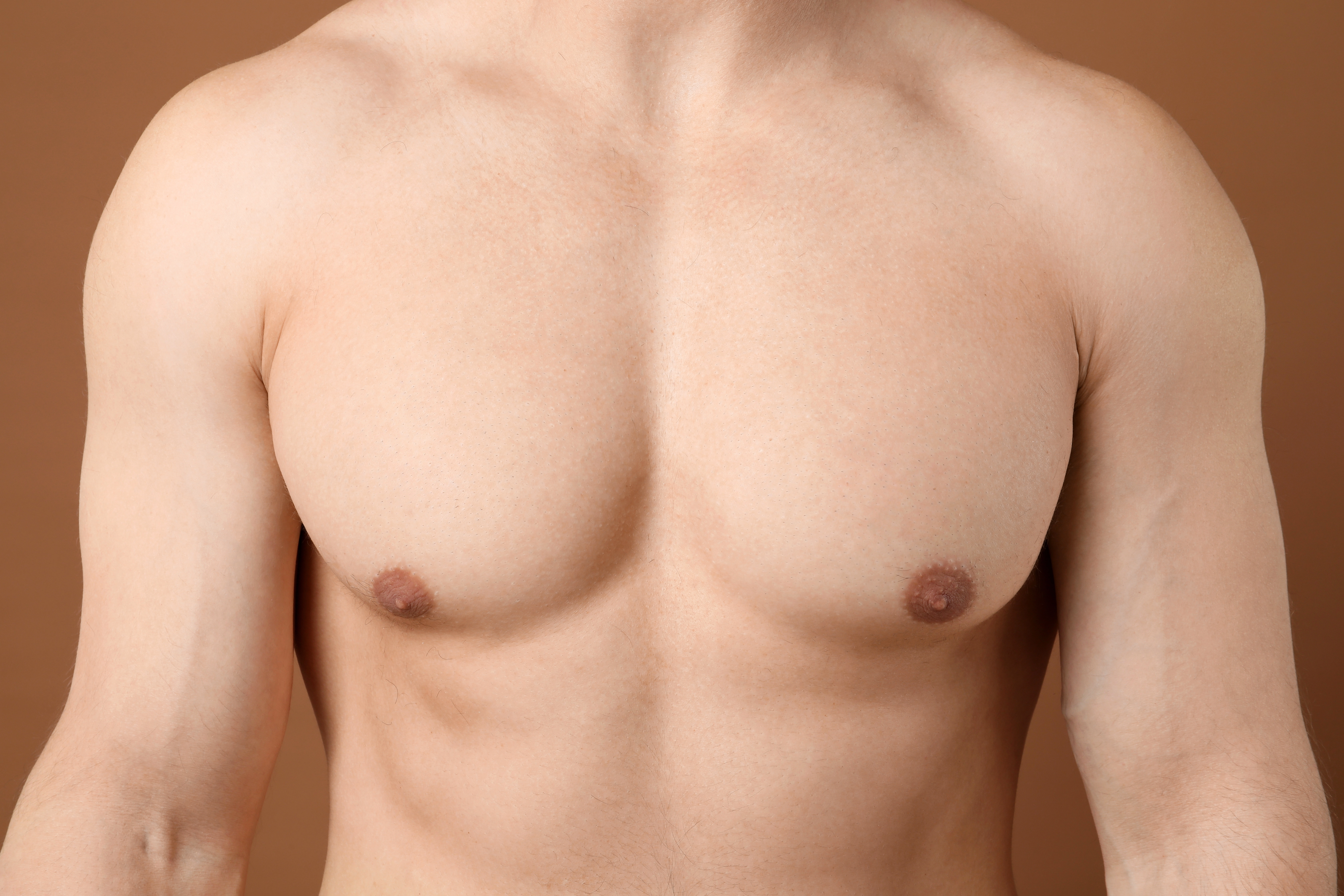
The amount of glandular tissue and fat removed
Whether liposuction was part of your plan
Your age, skin quality and overall health
How closely you follow your aftercare instructions
The type of anesthesia used
Gynecomastia surgery can most likely be performed under IV sedation. Christopher Hankins, MD also performs Awake Gynecomastia surgery. Many patients find that lighter anesthesia makes the first day easier. Grogginess fades sooner, and many men feel ready to move around the same evening.
Christopher Hankins, MD evaluates each patient as a whole person, not only the chest. That means your recovery plan is built around your health history, your job and your activity level. A man who works at a computer will get different return-to-work guidance than a man who lifts heavy loads all day.
The stages below give a general picture. Your own instructions from Christopher Hankins, MD always come first. If your healing moves faster or slower than this guide, that is often normal. Your follow-up visits are the place to confirm you are on track.
The first three days are about rest, comfort and protecting the treated area. This is the period when swelling begins and your body starts its repair work.
You will rest in our recovery area until you are steady enough to go home. Because gynecomastia surgery is usually performed as an outpatient procedure, most men sleep in their own bed that night. Plan for a responsible adult to drive you home and stay with you for the first night.
You will leave wearing a compression garment. This snug vest is one of the most important parts of your recovery. It does several jobs:
Reduces swelling
Supports the new chest contour
Helps the skin settle smoothly against the chest wall
Adds a sense of comfort and security when you move
Expect your chest to feel tight, sore and somewhat numb. Patients who have Awake Gynecomastia surgery often report minimal discomfort. Even so, take any prescribed or recommended pain relief on schedule for the first day rather than waiting for soreness to build.
On day one, focus on simple goals:
Rest with your upper body slightly raised
Drink plenty of water
Eat light meals
Take short walks around your home every few hours to keep blood moving
Avoid raising your arms high above your head. Do not lift anything heavier than a light drink.
Swelling and bruising often peak during days two and three. Your chest may look fuller than you expected, and it may feel firm to the touch. This is a normal stage. The final contour is hidden under temporary swelling, so try not to judge your results yet.
Soreness usually starts to ease during this window. Many men switch from prescription pain relief to over-the-counter options by day three, if Christopher Hankins, MD approves.
Keep wearing your compression garment around the clock, removing it only as instructed. Follow your specific showering guidance. Some patients may shower within the first couple of days, while others wait a little longer depending on their dressings.
Helpful habits during days two and three:
Sleep on your back with pillows supporting your upper body
Keep walking several times a day
Avoid alcohol and nicotine, which can slow healing
Choose button-up or zip-front shirts so you do not have to pull clothing over your head
By the second half of the first week, most men notice a real shift. Energy returns, movement gets easier and daily tasks feel manageable again.
Around day four, soreness typically drops to a mild ache or a feeling of tightness. You will likely move around your home with ease and may feel ready for short trips outside, such as a slow walk around the block.
Bruising may change color as it fades. It often shifts from purple to green or yellow. Numbness around the nipples or chest is also common at this stage. Sensation tends to return gradually over the following weeks and months.
Keep your activity light. Even if you feel good, your internal tissues are still in an early stage of healing. Avoid:
Lifting, pushing or pulling anything heavy
Reaching overhead repeatedly
Workouts of any kind beyond walking
Long periods of sitting without getting up to move
The end of the first week is a milestone for many patients. Men with desk jobs or remote work often return to work around this point, provided their job does not involve physical strain. Driving is usually possible once you are off prescription pain medication and can turn the wheel comfortably. Confirm timing with Christopher Hankins, MD first.
You will likely have a follow-up visit around this time. Christopher Hankins, MD will check your incisions, review how your swelling is progressing and update your instructions. This is a good time to ask questions about compression wear, showering, sleeping position or returning to work.
By the end of week one, your chest may already look flatter than before surgery, even with swelling still present. Many patients find this first glimpse of their new shape very encouraging.
Weeks two and three are when recovery starts to feel less like recovery and more like everyday life. Results become easier to see as swelling continues to drop.
Most bruising has faded or disappeared by the second week. Swelling is still present, but it is usually softer and less noticeable under clothing. Many men feel comfortable going out in public in a regular fitted shirt worn over their compression garment.
Common experiences in week two:
Mild tightness across the chest, especially in the morning
Occasional tingling or zinging sensations as nerves recover
Firm spots under the skin that soften over time
Itching around incisions as they heal
Continue wearing your compression garment as directed. Keep taking daily walks, and gradually increase the distance if you feel well. Light household tasks are usually fine. Avoid anything that strains your chest or arms.
If Christopher Hankins, MD approves, some patients add lymphatic drainage massage to their recovery routine. We offer this service, and it may help with swelling and tissue softening during the weeks after surgery. Ask whether it fits your plan before booking any session.
By week three, many men can clearly see the difference in their chest contour. Clothes fit differently, and the puffy or rounded appearance that brought you in is replaced by a flatter, more masculine profile.
Energy levels are usually close to normal now. Many patients receive clearance for light cardio during this stage:
Brisk walking
A stationary bike at low resistance
Lower-body movements that do not involve the chest or arms
Leave chest exercises, push-ups and heavy lifting for later.
Incisions continue to mature. Follow your scar care instructions closely. Keep incisions out of direct sun, because fresh scars can darken with sun exposure. Your follow-up visits let Christopher Hankins, MD track how your scars and contour are developing and adjust your activity plan.
This stage is about rebuilding your normal routine while giving your chest the last bit of protection it needs.
By week four, most men have returned to nearly all daily activities. Work, errands, social plans and light exercise usually fit back into your schedule without much trouble. Patients with more physical jobs may get clearance to return around this time, depending on how they are healing and what the work involves.
Swelling continues to decrease, though some residual fullness can remain, especially toward the end of the day or after activity. This is normal and tends to fade with time.
Christopher Hankins, MD may begin to reduce how long you need to wear your compression garment. Some patients move from wearing it day and night to daytime only. Do not make this change on your own. Wait until you receive clear guidance at a follow-up visit.
As the weeks pass, Christopher Hankins, MD may clear you to slowly increase the intensity of your workouts. A gradual approach protects your results and helps you rebuild strength safely.
A typical progression during this period might include:
Longer and more intense cardio sessions
Lower-body strength training with moderate weights
Core exercises that do not strain the chest
Light upper-body resistance work, if approved
Pay attention to how your body responds. Mild soreness after a new activity is expected. Sharp pain or a sudden increase in swelling means you should ease back and let our team know. Your chest tissues are still remodeling beneath the surface, so patience now pays off later.
Many men find this stage motivating. With a flatter chest, fitted shirts, tank tops and gym clothes feel different, and that confidence often drives healthy routines.
For most patients, weeks six to eight mark the return to full activity. If your healing is on track, Christopher Hankins, MD may clear you for:

Chest workouts, such as bench press and push-ups
Heavy lifting at the gym or at work
Contact sports and high-intensity training
Swimming, once incisions are fully healed
Start chest exercises with lighter weights than you used before surgery. Build back up over several weeks. Your muscles have been resting, and a slow return helps prevent strain.
Compression garment use often ends during this period, though some men are asked to wear one during workouts for extra support. Swelling is mostly gone, and your chest shape looks much closer to the final result. Some subtle firmness or swelling may still remain, particularly in men who had a larger amount of tissue removed.
Scars are usually flat and pink or slightly darker than surrounding skin at this point. They continue to fade over many months. Keep protecting them from the sun and follow any scar care routine Christopher Hankins, MD recommends.
The final stage of the gynecomastia surgery recovery timeline, week by week, stretches into months. Healing during this phase is quieter, but it matters. This is when your results settle into their final form.
Between three and six months after surgery, you can expect:
Most or all remaining swelling to resolve
Skin to settle more smoothly against the chest wall
Firm areas under the skin to soften
Nipple and chest sensation to continue returning
Scars to lighten and blend more with surrounding skin
Many men are surprised by how much their chest continues to improve during these months. The contour often looks sharper at six months than at two months, simply because the last traces of swelling have gone.
Your long-term results depend partly on your habits. A stable weight helps keep your chest contour consistent. Regular exercise and a balanced diet support the flatter, more masculine shape you worked to achieve. Some men choose to address other areas once their chest has healed. Christopher Hankins, MD can discuss options such as liposuction or other body lift options when the time is right.
Christopher Hankins, MD follows a simple philosophy: offer patients only the treatments that are in their interests. Long-term follow-up is part of that approach, so you have support well beyond the first few weeks.
Patients often ask similar questions as they move through recovery. These tips address the most common concerns and help you get the most from your healing time.
Compression is one of the most effective tools for controlling swelling and shaping your new chest. Wear it exactly as directed. Have a second garment on hand so you can wash one while wearing the other.
Before surgery, prepare your home for an easy recovery:
Stock up on easy meals, water and any supplies Christopher Hankins, MD recommends
Set out loose, front-opening shirts
Arrange extra pillows for sleeping with your upper body raised
Place frequently used items at waist height so you do not need to reach overhead
Line up help with driving, errands and any heavy household chores
Short, frequent walks support circulation and help you feel better faster. Movement also reduces stiffness. Gentle walking is encouraged from day one, while strenuous activity waits until you are cleared.
Your body needs good nutrition to repair tissue. Focus on lean protein, fruits, vegetables and plenty of water. Limit salty foods, which can increase swelling. Avoid alcohol in the early weeks.
Smoking, vaping and other nicotine products reduce blood flow to healing tissue. Stopping before surgery and staying nicotine-free throughout recovery gives your body its strongest chance to heal well.
Swelling can come and go, and one side may look slightly different from the other for a while. This is common. Judge your results at three to six months, not at three weeks.
Keep incisions clean and follow your wound care instructions. Shield scars from the sun once they have closed. Ask Christopher Hankins, MD when you can begin any scar care products.
Follow-up visits let Christopher Hankins, MD confirm your healing is on track, adjust your compression and activity plan, and answer your questions. Each visit is a chance to move to the next stage with confidence.
Desk workers often return around one week. Men with physically demanding jobs may need three to four weeks or more. Christopher Hankins, MD will tailor this timing to your role and your progress.
Most recovery questions are simple, and our team is glad to answer them at any stage. Patients can reach our staff even after hours with concerns. Reach out promptly if you notice any of the following:
Pain that gets worse over time rather than better
Swelling that suddenly increases, especially on one side
A fever or feeling generally unwell
Redness, warmth or unusual drainage around an incision
Any change that feels wrong or worries you
It is always better to ask than to wait. A quick conversation can ease your mind or allow Christopher Hankins, MD to address a concern early. You never need to wonder whether a question is too small. Our team would rather hear from you.
The gynecomastia surgery recovery timeline, week by week, moves from rest to routine to full results. The first three days focus on rest and compression. Many men return to desk work by the end of week one. Light cardio usually resumes around week three, followed by a steady return to normal routines in weeks four to six. Full activity, including chest workouts, typically resumes around six to eight weeks. Final results settle between three and six months. With careful aftercare and guidance from Christopher Hankins, MD at every stage, you can move through each phase with confidence toward a flatter, more masculine chest.