
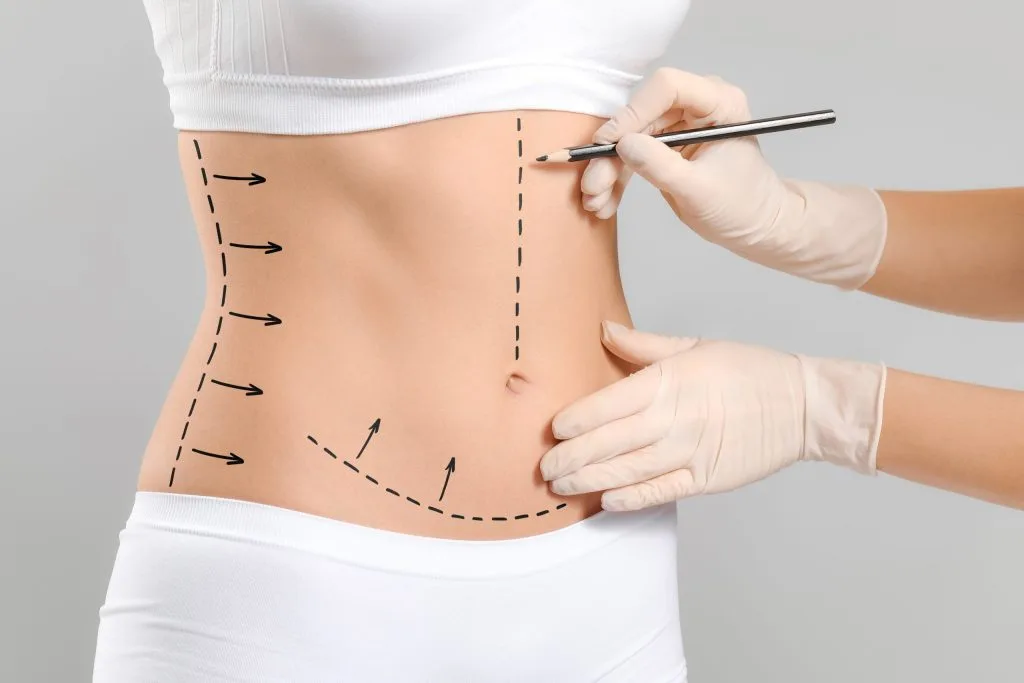
Minimizing scars after plastic surgery requires diligent aftercare: follow your surgeon’s instructions, keep incisions clean and protected from the sun, support healing with good nutrition, and use proven techniques like gentle massage and silicone products once cleared. Scars are a natural part of healing, but with the right approach, they can fade and flatten over time, becoming far less noticeable. Below are practical tips for caring for your incisions from day one through the full healing process.
Every surgical incision results in a scar – it’s the body’s natural way of healing. But the final appearance can vary dramatically, and understanding the process gives you the power to influence it.
When your skin is incised, your body launches a multi-stage healing cascade – sending cells to stop bleeding, fight infection, and rebuild tissue. It produces collagen to knit the wound closed, initially laid down quickly and haphazardly, creating a scar that may look raised, red, or dark. Over time, your body remodels this collagen into a flat, pale, pliable line. Its smoothness depends on genetics, incision location, and how well you care for it.
Scar maturation is a long process, often taking a year or more. Knowing what to expect at each stage helps you stay patient and apply the right care at the right time.
In the first two weeks, the incision is most fragile. The wound edges are sealing, and the area may look red, swollen, and feel tight or tender. Your focus should be solely on the wound care instructions provided to prevent infection and protect the incision as it heals.
Once the incision closes and sutures are removed, the scar enters the “proliferation” phase. Your body produces a lot of collagen, so scars often look their most prominent – pink, red, raised, firm, and sometimes itchy. This is the ideal time to begin scar massage and silicone products once cleared, as consistent at-home care helps prevent thick, raised scars.
This final remodeling phase can last up to 18 months. The scar gradually softens, flattens, and fades in color. Continuing your regimen – especially sun protection – is vital. If a scar isn’t maturing the way you hoped, this is when medical treatments can make a meaningful difference.
Following your aftercare instructions precisely is the single most important thing you can do, whether your procedure is a tummy tuck or a breast lift.
Gently cleanse with mild soap and water as directed, then pat dry.
Change dressings on schedule and wash your hands before touching the area.
Avoid soaking the incision in a bath, hot tub, or pool until cleared – this can introduce bacteria and soften healing tissue.
As incisions heal, they often itch and may form scabs. Resist the urge to scratch, pick, or peel away surgical tape or glue. Disturbing the tissue can reopen the wound, introduce bacteria, and widen the final scar. Let scabs fall away on their own.
For the first 12 to 18 months after surgery, protect your scar from the sun:
Keep it covered with clothing whenever possible.
Apply a broad-spectrum, mineral-based sunscreen (SPF 30 or higher) daily once the incision is fully closed.
Reapply every two hours when outdoors.
In a sunny area like Pearland, this matters year-round.
Well-hydrated skin is more pliable and heals more efficiently. Drink plenty of water and eat a balanced diet rich in protein, vitamins (especially C and A), and zinc. Lean meats, leafy greens, citrus fruits, and whole grains all support collagen production and tissue repair. Refrain from smoking before and for a significant period after surgery, limit alcohol, get enough rest, and follow your surgeon’s guidance on resuming activity.
Once your incision is fully healed (typically a few weeks post-op), you can begin more proactive at-home treatments.
Gentle massage helps break down the dense collagen bundles that make scars feel hard or raised. It improves blood flow and encourages the scar to become softer and flatter.
Don’t begin until you’re explicitly cleared. Using clean fingers and a small amount of lotion or scar gel to reduce friction, apply firm, steady pressure in small circular motions – or move vertically and horizontally along the scar line – for a few minutes, one to two times per day. Don’t press so hard that you cause pain.
Silicone is one of the most studied and effective topical ingredients for improving scars. It hydrates the tissue and regulates collagen production to keep scars flatter and softer.
Silicone Sheets: Reusable adhesive patches worn over the scar for several hours a day. They provide hydration and gentle pressure, making them effective for flat areas, such as those after a tummy tuck.
Silicone Gels: Applied in a thin layer that dries to an invisible, flexible barrier. More practical for joints, curved surfaces, or visible areas like the face.
Both work well – choose whichever fits your incision location and routine, and use it consistently.
When at-home care isn’t enough, or a scar becomes thick, dark, raised, or stubborn, advanced in-office options are available.
Prescription-strength creams and gels containing retinoids or other specialized ingredients can help with redness, itching, and texture, remodel collagen, and improve scar color over time.
For hypertrophic (raised) or keloid scars, corticosteroid injections reduce inflammation and break down excess firm collagen, causing the scar to flatten and soften. We offer dedicated keloid scar treatment for patients prone to these overgrown scars. A photo of the affected area helps our team provide guidance before your visit.
Lasers can target the red pigment in new scars to help them fade faster, even out skin tone, and resurface the top layers to smooth texture irregularities. They’re a versatile tool for scars from acne or surgery, with the specific laser chosen depending on your scar’s age and characteristics.
Microneedling creates tiny micro-injuries that trigger new collagen production. At our practice, we use RF microneedling, which combines this with radiofrequency energy delivered deep into the skin to enhance collagen remodeling – highly effective for surgical scars. Learn more about Secret RF microneedling and microneedling benefits.
For the most significant or complex scars, more involved options are available.
When a scar has widened or is in a conspicuous location, surgical revision excises the old scar and re-closes the incision with meticulous technique to create a new, finer line with a better chance of healing discreetly. An assessment can determine whether revision is appropriate during a consultation.
For scars that have healed well but are much lighter than the surrounding skin (hypopigmented), paramedical tattooing carefully deposits flesh-toned pigment so the scar blends in seamlessly. It’s often a final touch for procedures like breast lifts, where scars around the areola can be camouflaged.
Contact Premier Plastic Surgery if you notice signs of infection – increasing redness, warmth, swelling, pus, or fever – or if a scar becomes unusually thick, hard, painful, very red, or noticeably wider over time. Early intervention often produces better results, and only treatments that serve your interests will be recommended.
Achieving a beautiful surgical result is a journey that extends many months beyond the operating room – scars often take up to 18 months to fully fade and flatten. The most reliable tips for minimizing scars after plastic surgery come down to consistency: keep incisions clean and protected, shield them from the sun, support healing with good nutrition and healthy habits, and use scar massage and silicone products once cleared. When more help is needed, treatments like RF microneedling, lasers, injections, and scar revision are available.
With patience and personalized guidance, you give your skin the best possible chance to heal beautifully – so the focus stays on your stunning new contours, not the scars left behind.

About the Author